
Samoochronny ul: jak pszczoły miodne walczą z chorobami
1. Zachowania higieniczne jako odporność społeczna
Rodziny pszczół miodnych są narażone na szeroki wachlarz patogenów i pasożytów czerwiu, w tym bakterie, grzyby, roztocza i wirusy. Każda pojedyncza pszczoła posiada własną odporność (komórkową i humoralną), ale to nie koniec ich zdolności obronnych. Jako superorganizm, rodzina pszczół miodnych polega dodatkowo na zbiorowych mechanizmach obronnych, zwanych „odpornością społeczną” [1, 2]. Najszerzej badanym z nich jest zachowanie higieniczne: wykrywanie, odsklepianie i usuwanie martwego, chorego lub spasożytowanego czerwiu z zasklepionych komórek, zanim patogen stanie się zakaźny dla reszty rodziny [3]. Zjawisko to zostało formalnie opisane po raz pierwszy w latach 60. XX wieku, kiedy Rothenbuhler, wykorzystując czerw zabity przez chorobę, wykazał, w jaki sposób pszczoły usuwają go z ula [4].
Zachowanie higieniczne jest obecnie rozumiane jako specyficzna sekwencja działań (wykryj → odsklep → usuń), wyzwalana przez różne sygnały chemiczne. W zależności od stanu zdrowia czerwiu, w rodzinie obecne są różne gazy związane z chorobami, które pszczoły potrafią wykryć i zidentyfikować. Ponieważ sytuacja ta występuje w przypadku różnych chorób, rodziny znane z dobrej reakcji higienicznej często wykazują odporność na kilka niezwiązanych ze sobą zagrożeń jednocześnie [3].
2. Jak pszczoły „leczą” rodzinę: wykrywanie, usuwanie, stosowanie lekarstw
Ul nie jest tylko bierną ofiarą choroby. To aktywny mechanizm, który sam się diagnozuje i leczy. Oczywiście tylko do pewnego stopnia – czasami choroba rozwija się zbyt szybko lub rodzina jest zbyt słaba w momencie jej pojawienia się i potrzebuje wsparcia z zewnątrz. Jednak w przypadku silnych, licznych rodzin pszczoły dysponują kilkoma skutecznymi strategiami radzenia sobie z patogenami.
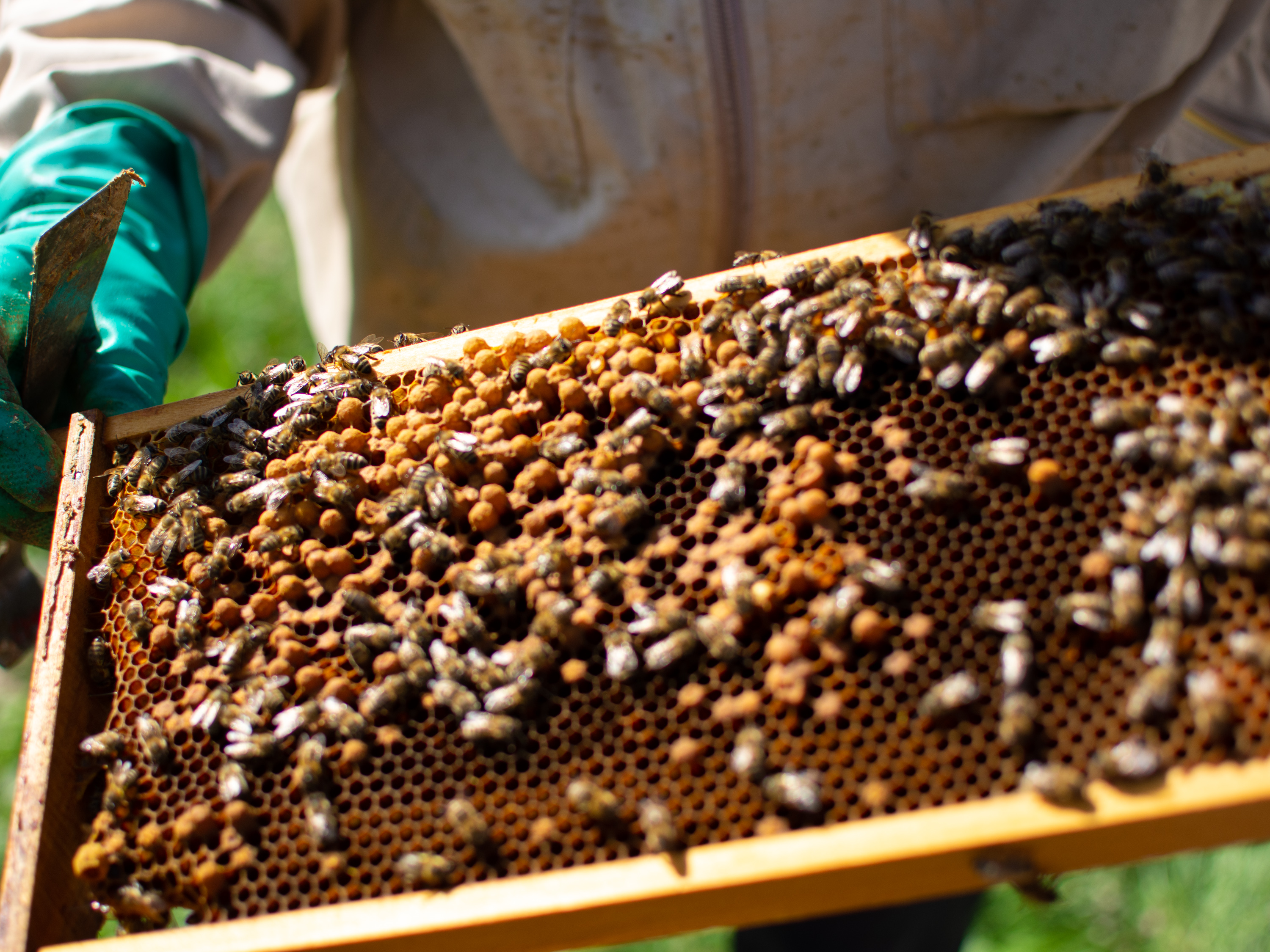
Pierwszym krokiem jest zawsze wykrycie choroby. Z tego powodu wyspecjalizowane pszczoły robotnice patrolują plastry z czerwiem, wywąchują komórki zawierające chore lub martwe larwy, przegryzają woskowe zasklepki i wyciągają zwłoki z gniazda – usuwając źródło infekcji, zanim zdąży się ona rozprzestrzenić. Zostało to po raz pierwszy udokumentowane naukowo w latach 80. XX wieku, kiedy badacze wykazali, że rodziny pszczół mogą fizycznie oprzeć się grzybicy czerwiu (wapiennej), po prostu usuwając zainfekowane larwy wystarczająco szybko, aby powstrzymać rozwój choroby [5]. Późniejsze prace wykazały, że reakcja ta jest niezwykle czuła: pszczoły chętniej usuwają larwy zabite przez bardziej niebezpieczne, szybko działające szczepy patogenów niż przez te łagodniejsze, w zasadzie dokonując segregacji przypadków według stopnia ciężkości, i potrafią celowo atakować komórki czerwiu spasożytowane przez najbardziej szkodliwe szczepy Varroa destructor, pozostawiając te mniej zagrażające w spokoju [6]. Ta ukierunkowana, specyficzna dla choroby wersja zachowania – zwana higieną wrażliwą na Varroa (VSH) – jest obecnie wykorzystywana przez hodowców na całym świecie do tworzenia linii pszczół naturalnie odpornych na roztocza [6, 7]. Jednak kanibalizm zainfekowanych poczwarek, będący częścią zachowań higienicznych, jest mieczem obosiecznym: naukowcy odkryli, że częściowo zjedzone poczwarki zainfekowane Varroa lub wirusami mogą nadal rozprzestrzeniać DWV poprzez pszczoły karmicielki [8]. Oznacza to, że higieniczne usuwanie ogranicza, ale nie zawsze całkowicie eliminuje, transmisję patogenów wewnątrz rodziny. Dlatego tak ważna jest aktywna obserwacja swoich rodzin.
Pszczoły zbierają nie tylko nektar i pyłek, ale także lepką, żywiczną wydzielinę z pąków drzew, którą zanoszą do ula i wykorzystują do uszczelniania wnętrza gniazda: propolis. Żywica ta jest pełna przeciwdrobnoustrojowych związków roślinnych, a pszczoły używają jej jako… lekarstwa. W 2021 roku naukowcy wykazali, że pszczoły aktywnie nanoszą propolis do komórek czerwiu, gdzie zakłóca reprodukcję roztoczy Varroa, skutecznie działając jak domowy pestycyd i stanowiąc prawdziwe „społeczne lekarstwo” przeciwko pasożytom [9]. Inne eksperymenty wykazały, że gdy w gnieździe obecny jest propolis, poszczególne pszczoły muszą inwestować mniej energii w swoje własne mechanizmy obronne, a ich liczebność po ataku pasożytów jest większa, co jest zgodne z indukowaną reakcją samoleczenia [10].
3. Inteligentne wsparcie
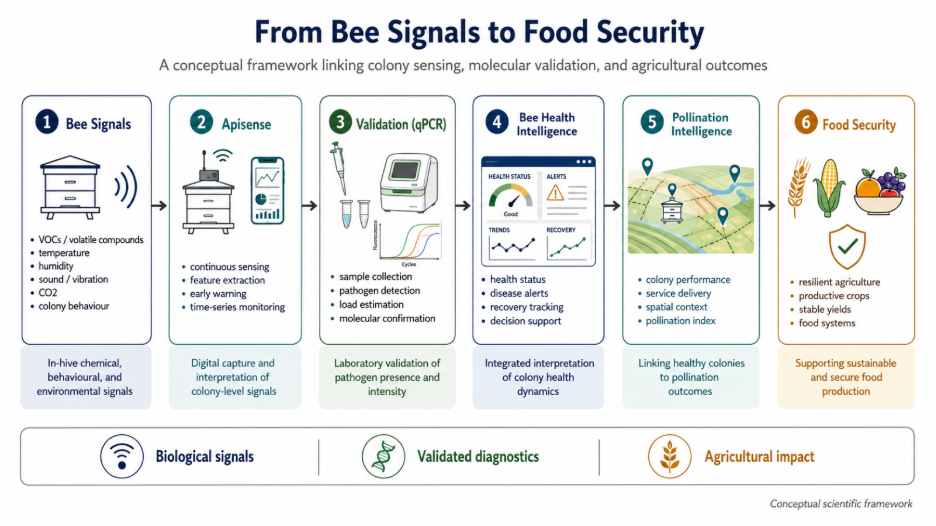
System Apisense został zaprojektowany w oparciu o tę zasadę biologiczną. Poprzez ciągłe monitorowanie parametrów środowiskowych w ulu, w tym gazów i związków lotnych, system obserwuje wiele tych samych sygnałów, których same pszczoły używają do oceny zdrowia rodziny. Zamiast czekać, aż pszczelarz odkryje objawy podczas przeglądu, Apisense potrafi zidentyfikować nieprawidłowe wzorce związane z rozwojem choroby i powiadomić pszczelarza na znacznie wcześniejszym etapie. W tym sensie technologia ta działa jak cyfrowe rozszerzenie własnej sieci sensorycznej rodziny – jeden z wielu sygnałów w ramach szerszej platformy Bee Health Intelligence, stworzonej do śledzenia tych samych sygnałów biologicznych w skali całych pasiek, a nie tylko pojedynczego ula.
Szczególnie interesujący przykład pochodzi od jednej z instytucji partnerskich Apisense z Francji, firmy Solu'Nature. W maju pobrali oni i przetestowali próbki w laboratorium, używając metody qPCR – jednej z najbardziej czułych metod diagnostyki molekularnej dostępnych do wykrywania patogenów pszczół. Technika ta namnaża specyficzne fragmenty materiału genetycznego patogenu, jednocześnie mierząc jego ilość. W praktyce qPCR nie tylko potwierdza obecność choroby, ale może również oszacować poziom infekcji, zapewniając ilościowy pomiar obciążenia pasożytami w rodzinie. Uzyskane laboratoryjne wyniki analizy qPCR wykryły Nosema i wykazały, że rodzina była zainfekowana. Nosema to choroba, która może skrócić życie pszczół, osłabia wydajność rodziny i zwiększa ryzyko jej utraty. Ponieważ objawy kliniczne są często subtelne lub nieobecne, infekcje mogą pozostać niezauważone, dopóki nie dojdzie do znacznych szkód. W czerwcu system Apisense zainstalowany w ich pasiece wykrył w ulach zmiany zgodne z Nosema sp. na wysokim poziomie, co wygenerowało alert w aplikacji, zgodnie z wcześniej uzyskanym wynikiem qPCR.
W kolejnych tygodniach pszczoły otrzymały wsparcie żywieniowe, a system kontynuował zbieranie danych z ula i śledzenie zmian w kondycji rodzin. Z czasem sygnał związany z chorobą zanikł. Status wyświetlany w aplikacji Apisense zmienił się z ostrzeżenia o chorobie z powrotem na zdrowy, co wskazywało, że profil chemiczny wewnątrz uli wrócił do normy. Taki wynik można było zinterpretować jako fałszywy alarm, błąd czujnika lub po prostu przypadkową fluktuację. Zespół Solu'Nature, zamiast wyciągać pochopne wnioski, postanowił zweryfikować wynik i przeprowadził drugą analizę qPCR, wykorzystując świeże próbki z tej samej rodziny.
Dalsza analiza laboratoryjna wykazała znaczny spadek poziomu Nosema ceranae. Podczas gdy poziom wykryty przez qPCR w maju był wysoki, w lipcu wynik testu osiągnął wartość poniżej granicy oznaczalności (LOQ), co oznaczało, że rodzina wróciła do prawidłowego, zdrowego funkcjonowania. Wyniki molekularne były zgodne z oceną wygenerowaną przez system Apisense. Ten pojedynczy przypadek ilustruje potencjał tego podejścia; szersza walidacja z udziałem większej liczby rodzin i patogenów jest w toku. Rodzina nie otrzymała żadnego specjalistycznego leczenia przeciwko Nosema w tym okresie, poza wsparciem żywieniowym, a mimo to zarówno system monitorowania oparty na czujnikach, jak i diagnostyka laboratoryjna wskazały na pełny powrót do zdrowia.
4. Dlaczego Bee Health Intelligence ma znaczenie
Co być może najważniejsze, przypadek ten pokazuje, że czujniki wewnątrz ula mogą wychwycić nie tylko pojawienie się choroby, ale także proces zdrowienia. Pierwszy test qPCR potwierdził, że Apisense poprawnie zidentyfikował rodzinę zmagającą się z Nosema. Drugi test qPCR potwierdził, że zdrowy status zgłoszony później przez system odzwierciedlał rzeczywistą poprawę biologiczną, a nie błąd systemu. Innymi słowy, w tym przypadku proces samoleczenia rodziny został wykryty przez pszczoły, odzwierciedlony w parametrach wewnątrz ula, zmierzony przez Apisense i potwierdzony diagnostyką molekularną. Apisense nie zastępuje diagnostyki laboratoryjnej ani wiedzy pszczelarza. Zapewnia natomiast ciągłą obserwację zdrowia rodziny, pozwalając na wykrywanie, śledzenie i weryfikację zmian w czasie – tak właśnie wygląda Bee Health Intelligence w praktyce: nie pojedynczy odczyt z czujnika, lecz ciągły, weryfikowalny sygnał o zdrowiu rodziny.
Bee Health Intelligence umożliwia również coś dodatkowego: zapewnienie, że leczenie jest stosowane tylko wtedy, gdy jest to konieczne. Pszczoły, mając własne sposoby radzenia sobie z patogenami i pasożytami, nie zawsze potrzebują dodatkowego wsparcia ze strony pszczelarza. Dzięki temu, że zapewniamy je tylko wtedy, gdy naprawdę go potrzebują, obniżamy koszty prowadzenia pasieki i zmniejszamy ryzyko rozwoju chorób odpornych na dostępne specjalistyczne leki.
W okresie od maja do lipca 2026 r. łącznie siedemnaście uli wyposażonych w czujniki Apisense w dwóch pasiekach Solu'Nature było monitorowanych w sposób ciągły, podczas gdy próbki pszczół wysyłano do analizy qPCR przy użyciu panelu PathoBee. W tym czasie system zarejestrował dwadzieścia cztery epizody chorobowe, co po raz pierwszy pozwoliło na porównanie ula do ula między tym, co zgłaszały czujniki, a tym, co mierzyło laboratorium:
Jeden z analizowanych uli, numer 3, był Nosema-pozytywny 3 maja, a 6 lipca choroba była już niewykrywalna; system Apisense zamknął alert Nosema dziewięć dni przed drugim pobraniem próbek.
Ul nr 5 wykazywał mierzalne Nosema obciążenie w maju, które spadło poniżej granicy oznaczalności w lipcu; epizod ten był oznaczony w systemie Apisense od 17 do 30 czerwca i zakończył się sześć dni przed drugim testem qPCR.
W ulu nr 7 wyniki laboratoryjne również zmieniły się z pozytywnych na niewykrywalne, a system nie zgłosił żadnego Nosema w czasie wykonywania drugiego testu.
Kierunek zmian zmierzony w laboratorium oraz kierunek zmian zgłoszony przez czujniki były takie same. Opisany przypadek pokazuje, że odczyty z systemu są zgodne z najlepszymi metodami naukowymi oceny zdrowia rodziny, a co ważniejsze, skutecznie wykrywają moment, w którym sytuacja w rodzinie naturalnie się poprawia.
5. Studia przypadków z całego świata a aktualna wiedza
Oczywistym pytaniem jest to, jak często ten sam wzorzec pojawia się we wszystkich pasiekach uczestniczących w globalnych badaniach terenowych Apisense 2026. W okresie od 27 marca do 28 lipca 2026 r. platforma Apisense monitorowała 1757 rodzin i zarejestrowała 1874 epizody chorobowe. Przeanalizowaliśmy je zgodnie z aktualną wiedzą i dostępną literaturą, uwzględniając jedynie udokumentowane, trwałe wyzdrowienia. Pod uwagę brano epizody o nasileniu co najmniej umiarkowanym, a wszystkie przypadki oznaczone przez pszczelarzy jako leczone przeciwko danej chorobie zostały usunięte z analizy. Dodatkowo odrzucono wszystkie epizody krótsze niż 7 dni, aby upewnić się, że żaden z rozpatrywanych przypadków nie jest jedynie szumem detektora. W rezultacie do analizy końcowej zakwalifikowano 88 Varroa, 37 Nosema oraz 2 epizody grzybicy wapiennej. Każdy policzony epizod to przypadek, w którym rodzina wykazywała objawy rzeczywistej choroby i powróciła do zdrowia bez odnotowanego zewnętrznego leczenia przeciwko tej konkretnej chorobie.
Literatura określa, jak długo trwa samoleczenie w zależności od rodzaju choroby, przy czym uzasadnienie tych liczb jest przede wszystkim mechanistyczne. W przypadku grzybicy wapiennej potrzebny jest jeden cykl czerwiu krytego trwający około dwunastu dni oraz dodatkowe pięć do ośmiu dni, zanim mumia stanie się widoczna [11]. Nosema nie posiada dedykowanego lekarstwa: zarażona pszczoła pozostaje zarażona, więc rodzina pozbywa się pasożyta jedynie poprzez wymianę populacji dorosłych osobników, co latem zajmuje tygodnie [12]. W przypadku Varroa literatura w ogóle nie podaje wartości wewnątrzsezonowych: higiena czerwiu i pielęgnacja ograniczają rekrutację roztoczy, a nie ich stałą populację, roztocza foretyczne spędzają od 4 do 11 dni na pszczołach dorosłych, gdzie higiena czerwiu nie ma do nich dostępu, a nawet najbardziej odporne na roztocza linie pszczół jedynie spowalniają wzrost populacji pasożyta, zamiast go redukować [7,13,14]. Tam, gdzie nieleczone rodziny stabilizują się, skala czasowa liczona jest w latach, a nie tygodniach: na Gotlandii ponad 80% niepoddawanych zabiegom rodzin wyginęło w ciągu trzech lat, zanim populacja ocalałych się ustabilizowała [15], a nieleczone rodziny w Awinionie przetrwały średnio 6,5 roku [16]. Mediana czasu „samoleczenia” pszczół obserwowanego przez system Apisense jest zgodna z przykładami literaturowymi dotyczącymi grzybicy wapiennej (10 do 14 dni), ale wydaje się krótsza w przypadku Nosema oraz Varroa.
Może istnieć więcej niż jedno uzasadnienie tego zjawiska. Metoda qPCR, stosowana w pasiekach Solu'Nature, mierzy obciążenie patogenami w konkretnym momencie pobrania próbki pszczół, podczas gdy epizod oznaczony w systemie Apisense mierzy, jak długo dane z ula utrzymywały się na nieprawidłowym poziomie. Co więcej, remisja kliniczna nie zawsze jest równoznaczna z całkowitym wyeliminowaniem patogenu: na przykład w badaniu opublikowanym w 2025 roku ponad 70% rodzin zakażonych europejskim zgnilcem pszczół nie wykazywało żadnych objawów [17]. Liczba Varroa stanowi użyteczną weryfikację tych danych. Spośród 1505 wykrytych epizodów tylko 11 utrzymywało się przez co najmniej 56 dni; jest to konserwatywny próg operacyjny zdefiniowany a priori na potrzeby niniejszej analizy. Przedział ten odpowiada w przybliżeniu 2,5–3,5 cyklom rozrodczym Varroa w warunkach wychowu czerwiu, a nie pojedynczemu cyklowi życiowemu opisanemu w literaturze [13,14]. Żaden z tych epizodów nie zakończył się wyraźnym wyzdrowieniem, co jest zgodne z oczekiwaną dynamiką populacji pasożyta.
U podstaw wszystkich tych obserwacji leży jeszcze bardziej fundamentalne pytanie: kiedy rodzinę można w ogóle uznać za zdrową? I kiedy staje się ona chora? Odpowiedź zależy od tego, kogo pytasz: lekarz weterynarii nazywa rodzinę chorą, gdy widoczne są objawy choroby, pomijając wiele infekcji o przebiegu subklinicznym. Laboratorium uznaje rodzinę za chorą powyżej określonego progu, a próg ten również zależy od kontekstu: w przypadku Varroa klasyczny standard to 3 roztocza na 300 pszczół, a wytyczne dla praktyków zalecają 2% wiosną i 5% jesienią [18]; w przypadku Nosema przyjmuje się wartość miliona zarodników na pszczołę [12]. Ostatecznie pszczelarz nazywa rodzinę chorą, gdy przestaje ona dobrze funkcjonować. Biorąc pod uwagę wszystkie te różnice, ta sama rodzina może być uznana za zdrową według jednego kryterium i chorą według innego tego samego dnia.
6. Siła w liczbach
Jest jeszcze więcej kwestii do przemyślenia, ponieważ każdy werdykt laboratoryjny pochodzi z pojedynczej próbki: przyjmuje się, że 60 pszczół z wylotka wystarczy, aby wykryć 5% poziom infekcji z 95% prawdopodobieństwem w przypadku Nosemy [19], a 300 pszczół wystarcza w przypadku roztoczy [20]. Jednak każda taka próbka jest pobierana raz, w określonym momencie sezonu, z rodziny liczącej od 20 000 do 60 000 pszczół, z tygodniami ciszy między pobraniami. Opisany powyżej przypadek z Francji opierał się na zaledwie dwóch punktach danych, oddalonych od siebie o dziewięć tygodni. Z kolei ciągłe monitorowanie wewnątrz ula nie podaje dokładnej liczby zarodników czy roztoczy obecnych w rodzinie. Mierzy jednak środowisko i powietrze wewnątrz ula, które jest wypadkową stanu każdej pojedynczej pszczoły będącej częścią rodziny, i pobiera próbki co godzinę, a nie dwa razy w sezonie. Dlatego połączenie tych metod jest warte więcej niż każda z nich z osobna. Czynnikiem decydującym pozostaje to, ile zdrowych pszczół pozostało w rodzinie, aby wykonywać pracę.
Na skuteczność zachowań higienicznych wpływa liczba zdrowych robotnic, które je wykonują, co oznacza: wielkość rodziny. W 2024 roku naukowcy odkryli, że wydajność higieniczna rośnie wraz z liczbą dostępnych robotnic, choć efekt ten stabilizuje się, gdy rodzina osiąga normalną, zdrową wielkość populacji. Oznacza to, że silny, liczny rój niekoniecznie jest „bardziej higieniczny” niż przeciętny – ale słaba, kurcząca się rodzina może stracić siłę roboczą potrzebną do jednoczesnego usuwania chorych osobników, pielęgnacji i zbierania żywicy. Dodatkowa siła rodziny nie poprawia już tempa usuwania, więc pszczelarze mogą porównywać wydajność higieniczną między rodzinami o normalnej wielkości bez kontrolowania różnic w populacji [21]. Wyjaśnia to również, dlaczego siła rodziny pozostaje jednym z najlepszych ogólnych predyktorów zdrowia pszczół: badania terenowe z Ekwadoru i innych regionów świata wykazały, że rodziny o wysokiej higieniczności miały niższy poziom Varroa i jednocześnie utrzymywały lub zwiększały zbiory miodu [22].
7. Czy pszczoły potrafią same się leczyć?
Warto uczciwie spojrzeć na ograniczenia tego systemu samoleczenia. Żadne z tych zachowań nie czyni rodziny niezwyciężoną: to samo badanie dotyczące grzybicy wapiennej z 2025 roku wykazało, że pszczoły VSH nadal chorowały, gdy były celowo i silnie eksponowane na patogen – były po prostu bardziej odporne, a nie uodpornione [23]. Nawet częściowo zjedzone, zainfekowane poczwarki mogą rozprzestrzeniać wirusa poprzez pszczoły karmicielki zajmujące się ich usuwaniem [8], więc nawet higieniczne usuwanie wiąże się z pewnym ryzykiem. Uczciwy obraz nie przedstawia więc ula z magicznym lekarstwem, lecz rodzinę stosującą kilka niedoskonałych, nakładających się na siebie metod leczenia, przy opiece świadomego pszczelarza, który wie i rozumie, kiedy i jakiego wsparcia potrzebują jego pszczoły. Z tego powodu dodatkowe wsparcie systemu Apisense jest tak ważne w tym procesie; daje ono wgląd w przyszłość precyzyjnego pszczelarstwa: przyszłość, w której ul nieustannie komunikuje swój stan zdrowia, pszczelarz otrzymuje terminowe i obiektywne informacje, aby podejmować bardziej świadome decyzje, a dodatkowo zyskuje pewność, że nic nie zostało przeoczone podczas opieki nad rodzinami. Ta konwergencja biologii, technologii czujników, walidacji laboratoryjnej i decyzji zarządczych może być wspierana zarówno przez naturalną inteligencję rodziny, jak i zaawansowane systemy monitorowania.
Pszczoły same diagnozują, leczą i regenerują się – robią to od milionów lat, na długo przed powstaniem jakiejkolwiek technologii. Naszą rolą w Apisense nie jest zastępowanie tej biologii, lecz jej zrozumienie: przekładanie sygnałów generowanych przez rodzinę na dane, którym pszczelarze, naukowcy i rolnicy mogą zaufać. Każda rodzina wytwarza dane biologiczne. Wyzwaniem nie jest już ich gromadzenie, lecz przekształcenie w wiedzę, która może wspierać pszczelarzy, naukowców, rolników, a ostatecznie także globalne bezpieczeństwo żywnościowe. Ten przypadek z Francji jest tylko jednym, ilustracyjnym przykładem, ale wskazuje na coś znacznie większego – przyszłość, w której zdrowie rodziny, a w konsekwencji samo zapylanie, będzie można mierzyć, weryfikować i chronić na skalę, jakiej wymaga bezpieczeństwo żywnościowe.
Bibliografia
[1] Morfin, N., Anguiano-baez, R., Guzman-Novoa, E. Honey bee (Apis mellifera) immunity. Veterinary Clinics: Food Animal Practice, 37(3) 521-533 (2021). https://doi.org/10.1016/j.cvfa.2021.06.007
[2] Cremer, S., Armitage, S.A.O., Schmid-Hempel, P. Social immunity. Curr. Biol. 17(16), R693–R702 (2007). https://doi.org/10.1016/j.cub.2007.06.008
[3] Spivak, M., Danka, R.G. Perspectives on hygienic behavior in Apis mellifera and other social insects. Apidologie 52, 1–16 (2021). https://link.springer.com/article/10.1007/s13592-020-00784-z
[4] Rothenbuhler, W.C. Behavior genetics of nest cleaning in honey bees. IV. Responses of F1 and backcross generations to disease-killed brood. Am. Zool. 4(2), 111–123 (1964). https://academic.oup.com/icb/article/4/2/111/2001725
[5] Gilliam, M., Taber, S., Richardson, G.V. Zachowanie higieniczne pszczół miodnych w relacji do grzybicy wapiennej. Apidologie 14(1), 29–39 (1983). https://www.apidologie.org/articles/apido/pdf/1983/01/Apidologie_0044-8435_1983_14_1_ART0003.pdf
[6] Mondet, F. i in. Specyficzne sygnały związane z obroną społeczną pszczół miodnych przed czerwiem porażonym przez Varroa destructor. Sci. Rep. 6, 25444 (2016). https://www.ncbi.nlm.nih.gov/pmc/articles/PMC4853723/
[7] Harbo, J.R., Harris, J.W. Zahamowanie reprodukcji roztoczy wyjaśnione zachowaniem dorosłych pszczół. J. Apic. Res. 44(1), 21–23 (2005). https://doi.org/10.1080/00218839.2005.11101141
[8] Posada-Florez, F. i in. Kanibalizm poczwarek przez pszczoły robotnice przyczynia się do rozprzestrzeniania wirusa zdeformowanych skrzydeł. Sci. Rep. 11, 8989 (2021). https://doi.org/10.1038/s41598-021-88649-y
[9] Pusceddu, M. i in. Pszczoły miodne wykorzystują propolis jako naturalny pestycyd przeciwko swojemu głównemu ektopasożytowi. Proc. R. Soc. B 288, 20212101 (2021). https://pmc.ncbi.nlm.nih.gov/articles/PMC8670950/
[10] Borba, R.S. i in. Spożycie propolisu wzmacnia odpowiedź immunologiczną u pszczół miodnych zakażonych bakteriami. Apidologie (2017). https://link.springer.com/article/10.1007/s13592-017-0553-z
[11] Aronstein, Katherine, i Beth Holloway. Grzybiczy patogen pszczół miodnych, Ascosphaera apis; aktualny stan wiedzy na temat interakcji gospodarz-patogen oraz mechanizmów odporności gospodarza. Microbial pathogens and strategies for combating them: science, technology and education. Hiszpania: Formatex Research Centre (2013): 402-410.
[12] Emsen, B. i in. Sezonowość infekcji Nosema ceranae i ich związek z populacjami pszczół miodnych, zapasami pokarmu i przeżywalnością w regionie Ameryki Północnej. Vet. Sci. 7(3), 131 (2020). https://www.mdpi.com/2306-7381/7/3/131
[13] Rosenkranz, P., Aumeier, P., Ziegelmann, B. Biologia i zwalczanie Varroa destructor. J. Invertebr. Pathol. 103, S96–S119 (2010). https://doi.org/10.1016/j.jip.2009.07.016
[14] Martin, S.J. Model populacyjny ektopasożytniczego roztocza Varroa jacobsoni w koloniach pszczół miodnych (Apis mellifera). Ecol. Modell. 109(3), 267–281 (1998). https://doi.org/10.1016/S0304-3800(98)00059-3
[15] Fries, I., Imdorf, A., Rosenkranz, P. Przeżywalność kolonii pszczół miodnych (Apis mellifera) porażonych roztoczami (Varroa destructor) w klimacie nordyckim. Apidologie 37(5), 564–570 (2006). https://doi.org/10.1051/apido:2006031
[16] Le Conte, Y. i in. Kolonie pszczół miodnych, które przetrwały inwazję Varroa destructor. Apidologie 38(6), 566–572 (2007). https://doi.org/10.1051/apido:2007040
[17] Fowler PD, Dhakal U, Chang JH, Milbrath MO (2025) Wszystko, wszędzie, naraz – nadzór i epidemiologia molekularna ujawniają, że Melissococcus plutonius jest endemiczny w pasiekach w Michigan, USA. PLOS ONE 20(9): e0331903. https://doi.org/10.1371/journal.pone.0331903
[18] K. Olszewski, Biotechniczne Zwalczanie Warrozy: Współczesne Możliwości „archaicznych” Metod (Wydawnictwo BEE & HONEY, Klecza Dolna, 2025).
[19] Pirk, C.W.W. i in. Wytyczne statystyczne dla badań nad Apis mellifera. W: Dietemann, V., Ellis, J.D., Neumann, P. (red.) The COLOSS BEEBOOK, Tom I: standardowe metody badań nad Apis mellifera. J. Apic. Res. 52(4) (2013). https://doi.org/10.3896/IBRA.1.52.4.13
[20] Mukogawa, B., Nieh, J.C. Paradoks Varroa: poziomy porażenia i zachowania higieniczne u zdziczałych hybryd scutellata oraz hodowlanych pszczół miodnych Apis mellifera ligustica. Sci Rep 14, 1148 (2024). https://doi.org/10.1038/s41598-023-51071-7
[21] Snyder, P., Martin, J., Herman, J.J. i in. Wpływ wielkości grupy pszczół miodnych (Apis mellifera) na skuteczność zachowań higienicznych. Behav. Ecol. Sociobiol. 78, 52 (2024). https://link.springer.com/article/10.1007/s00265-024-03471-6
[22] Zachowanie higieniczne Apis mellifera i jego związek z porażeniem przez Varroa destructor oraz produkcją miodu w środkowych wyżynach Ekwadoru. (2021). https://pmc.ncbi.nlm.nih.gov/articles/PMC8619998/
[23] Pszczoły miodne hodowane pod kątem cechy higieny wrażliwej na Varroa wykazują odporność na grzybicę wapienną. PLOS ONE (2025). https://journals.plos.org/plosone/article?id=10.1371/journal.pone.0329739