
Making pollination visible
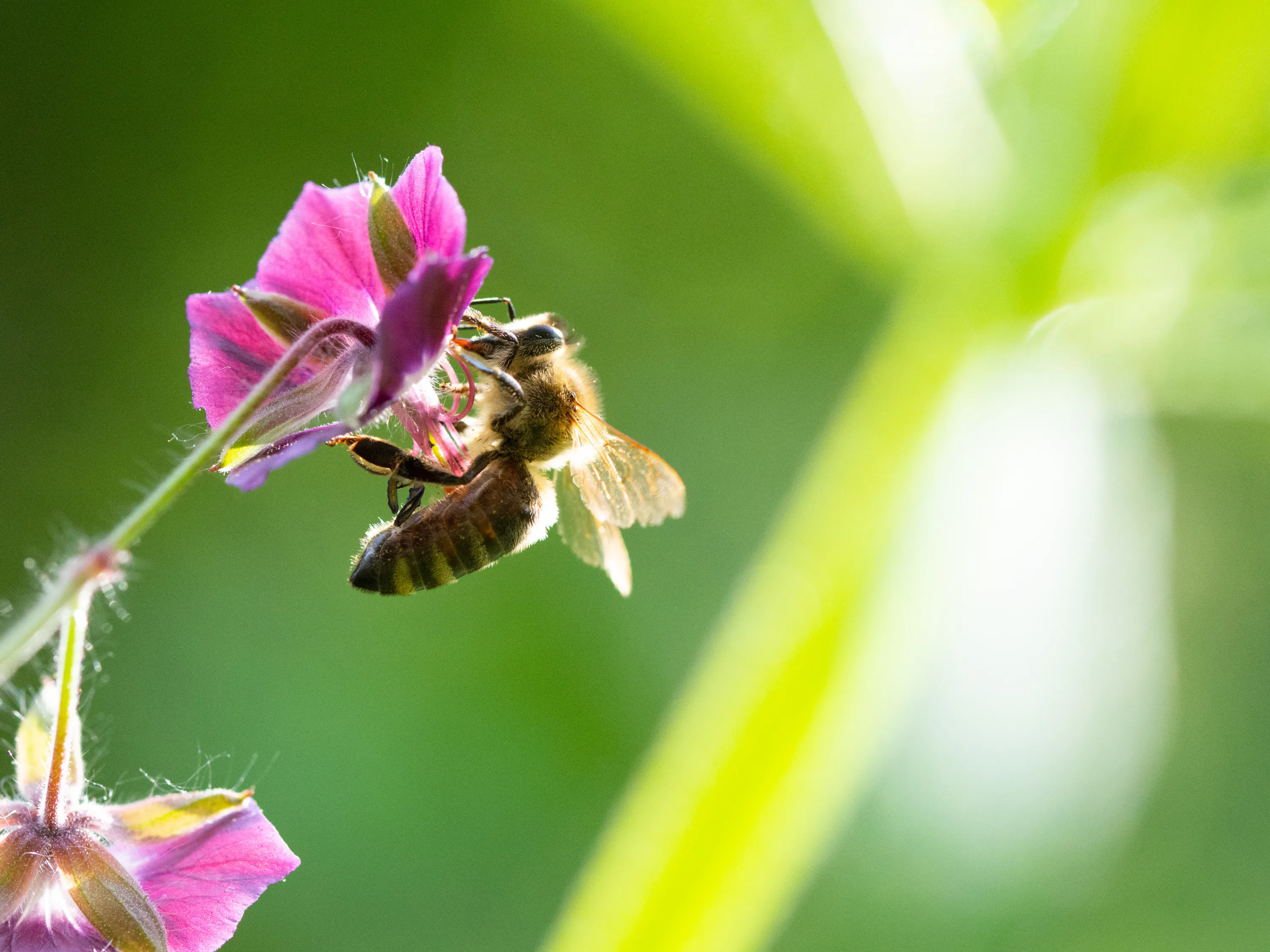
Pollination drives the harvest, yet it remains unmeasured.
Apisense brings measurement into the pollination window itself, making the process visible while there is still time to understand what is happening and respond.
From bee activity to crop outcomes
Pollinator activity and colony condition
Understand whether the bees are present, active and capable of doing the work.
- Are the colonies strong and active?
- Are bees actually reaching the crop?
- How does activity vary across different parts of the field?
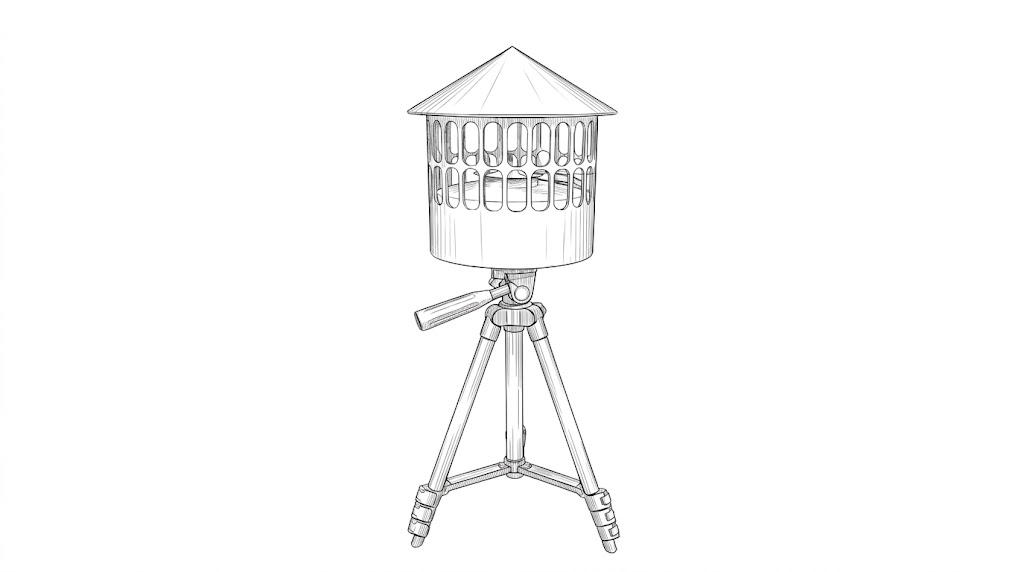
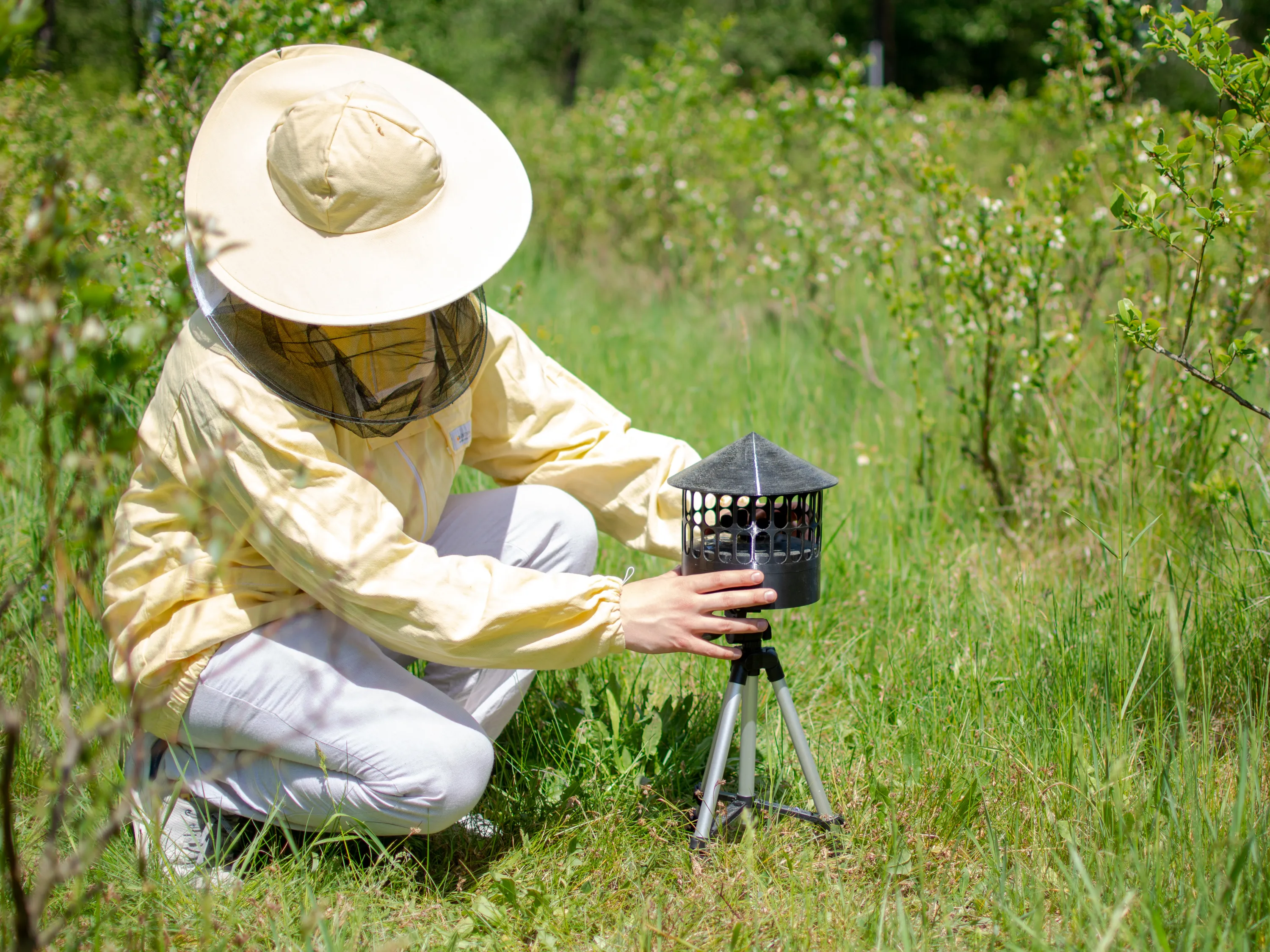
Apisense combines direct measurement of bee activity in the field with information about colony health and condition. This creates a clearer picture of whether pollinators are actually working the crop, not simply whether hives were delivered.
Environmental and satellite context
Understand bee activity in the context of the crop and its environment.
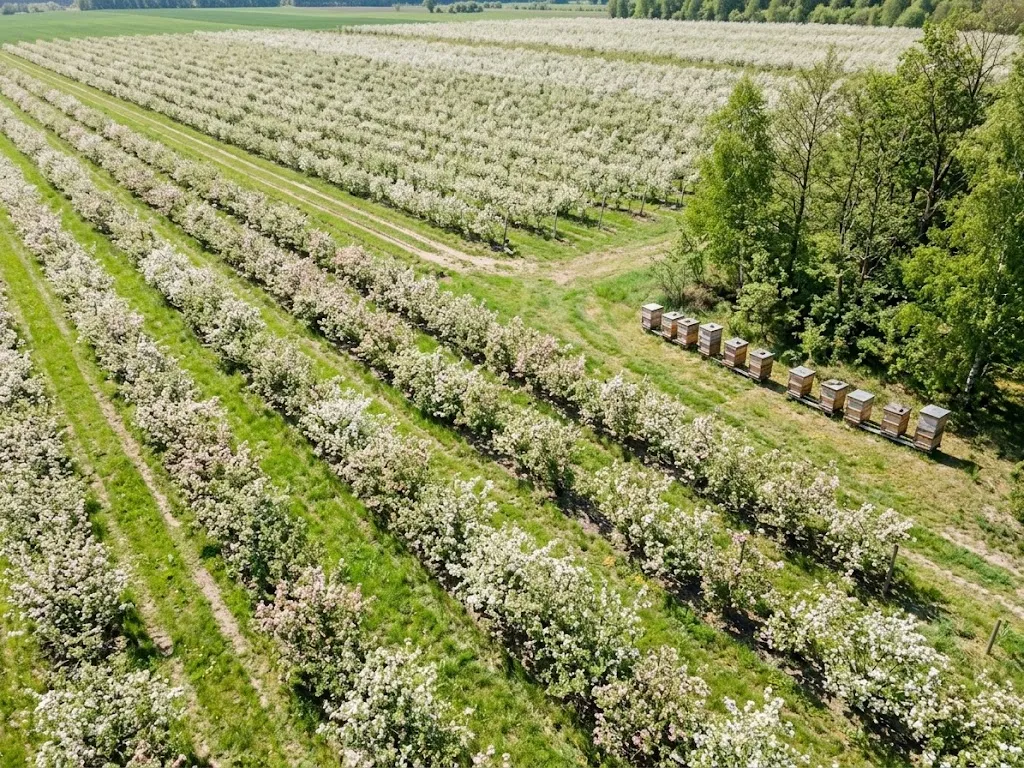
Pollinator activity does not happen in isolation. Bloom timing, forage availability, weather and surrounding vegetation all influence how bees behave.
- Is the crop in the right flowering stage?
- Are weather conditions suitable for bee activity?
- How does the surrounding landscape influence pollination?
- Is lower activity caused by the bees, the crop or the environment?
Apisense combines satellite observations and environmental data with bee activity, helping distinguish between changes driven by colony condition and those caused by external conditions.
Yield and quality forecasting
Connect pollination performance with what the crop ultimately delivers.
The next layer of Pollination Intelligence is designed to link measured pollinator activity and environmental conditions with fruit set, crop yield and crop quality.
- Was pollination sufficient for the crop?
- How is pollination likely to influence fruit set?
- What could current pollination performance mean for expected yield?
- How could pollination quality affect crop quality?
The goal is to move beyond understanding whether bees were active and toward understanding what that level of pollination may mean for the expected agricultural outcome.
*This forecasting layer is currently being developed and validated with growers and research partners.
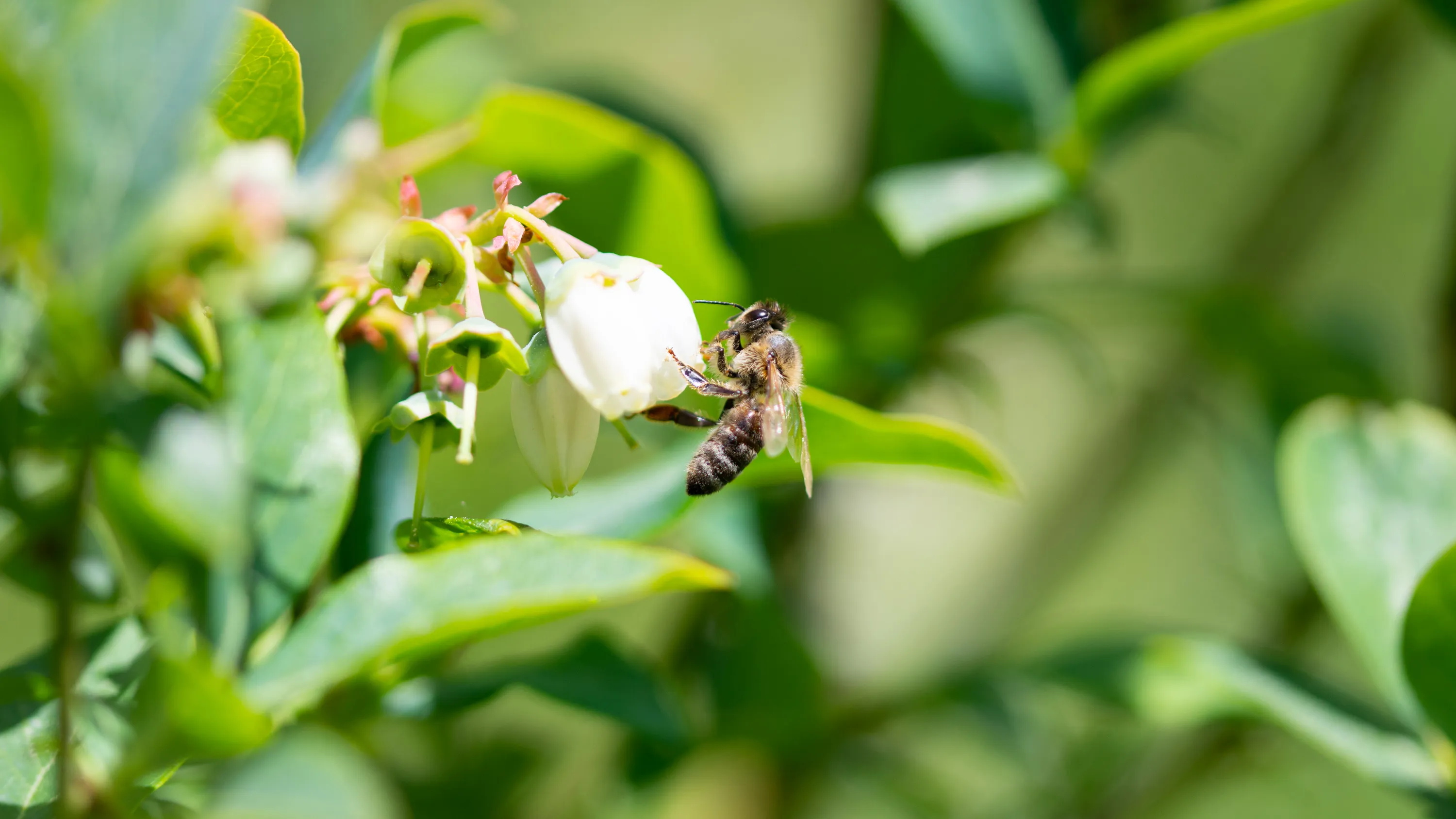
Connecting the signals behind pollination
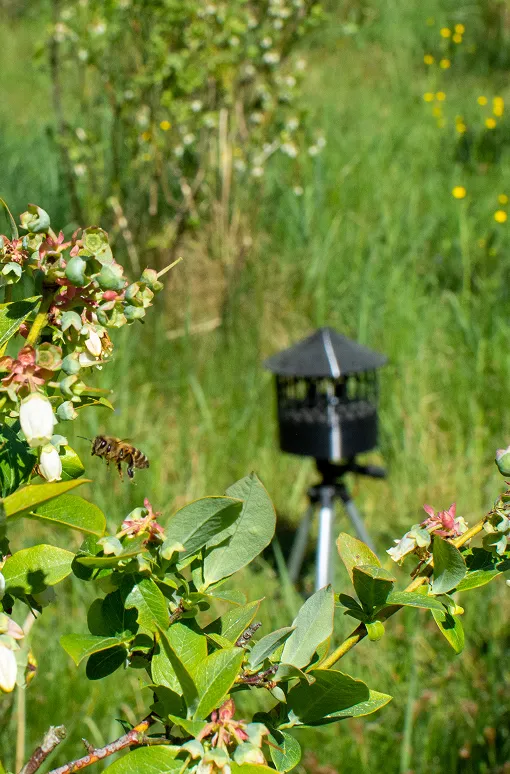
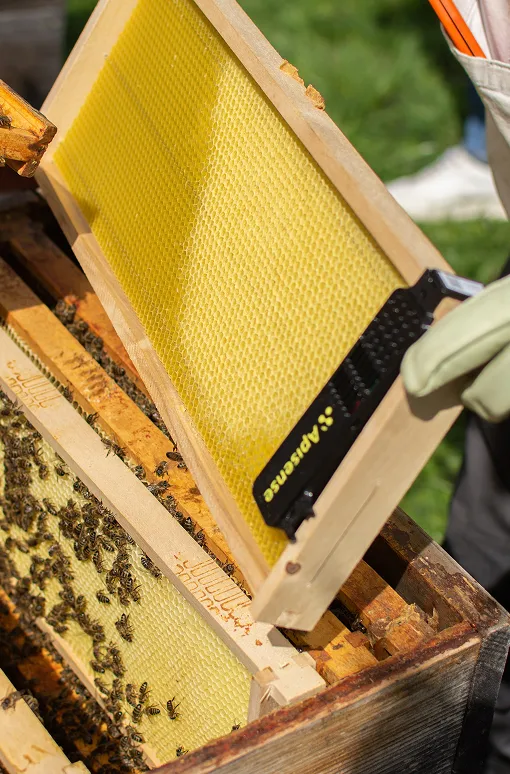
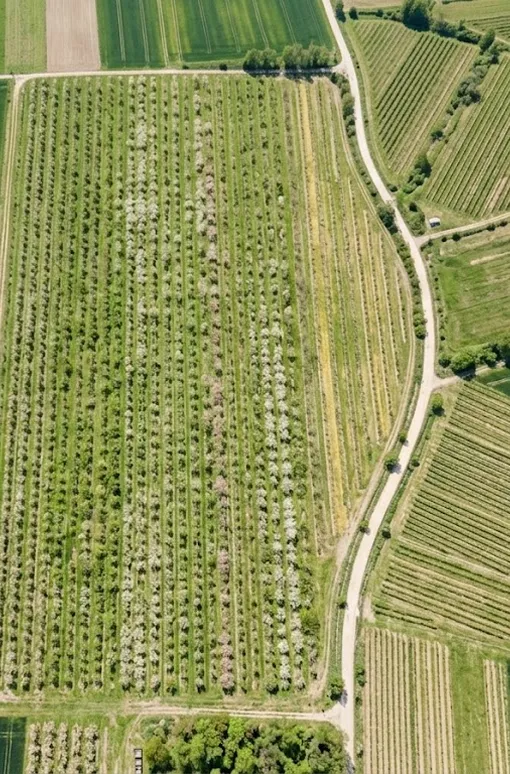
From individual bee flights to a map of pollination activity
When those measurements are combined across the field, they become a spatial picture of pollination activity.
Apisense turns signals into a pollination map, helping growers see where bees are working intensively, where activity is weaker and where closer attention may be needed.
Available today
- Direct measurement of pollinator activity
- Colony health and condition monitoring
- Environmental and weather context
Being developed and validated
- Models linking pollination activity with fruit set
- Crop-specific pollination targets
- Yield and crop quality forecasting
The pollination season at a glance
Live field map
See pollinators’ activity and hive locations across the crop.
Pollination activity indicators
Understand how bee activity changes across different areas and over time.
Environmental context
View weather, bloom and satellite information alongside pollinator activity.
Actionable guidance
Identify areas that may require closer observation, changes in hive placement or further intervention.
Season history
Build a record of pollination activity that can later be compared with fruit set, yield and crop quality.
Cross-field comparison
Compare pollination activity and conditions across multiple fields or crop varieties to spot where performance differs.
Let’s prove it on your fields.
We are selecting growers and research partners for the next Pollination Intelligence validation programme.

Insights from the world of Biological Intelligence.
Contact us